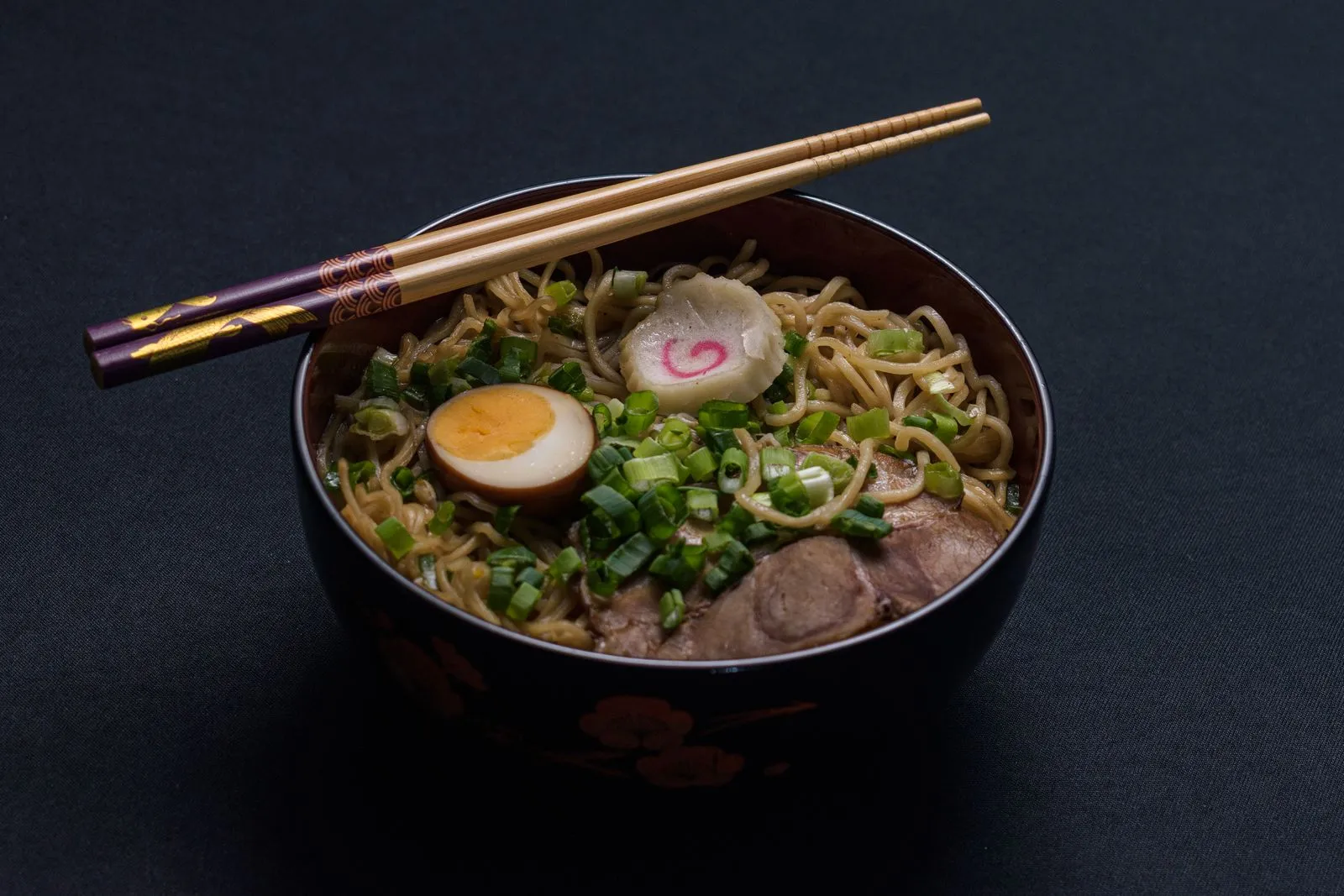
Dry ramen brings noodles and sauce to the foreground, so each topping has a clear job: add texture, deepen flavor, or refresh the palate. A thoughtful mix keeps the bowl from feeling too rich, too salty, or one-note. Start with the sauce’s flavor and intensity, then choose a few toppings that balance it rather than compete with it. You do not need a long list; a small combination of contrasts often makes a more satisfying bowl.
Start With the Sauce
Taste the noodles before adding toppings. A rich, savory sauce can handle bright vegetables and mild crunch, while a lighter sauce may benefit from a stronger savory accent. Notice its saltiness, sweetness, heat, and richness. Use those qualities as a guide: toppings should fill a gap or create contrast, not simply repeat what the sauce already provides.
Choose a few complementary additions instead of piling on every option. Too many strong flavors can make the bowl hard to distinguish, and excess toppings can bury the noodles. A practical starting point is one crunchy item, one fresh item, and one savory accent. Adjust the mix based on portion size and the sauce’s intensity.
Add Crunch for Contrast
Crunch gives soft noodles a more varied bite. Try toasted sesame seeds, crushed roasted nuts, crisp fried shallots, or a small amount of crunchy chili oil. Add these just before eating so they retain their texture. If the sauce is already rich or oily, choose a lighter, drier topping rather than adding more oil.
Keep crunchy toppings in proportion. A sprinkle should provide a change in texture without turning each bite into a mouthful of one ingredient. For a bowl with several crisp components, use only a little of each. This also helps the noodles stay easy to mix and keeps delicate flavors from getting lost.
Build Savory Depth
Savory toppings can make a bowl more substantial, but they can also increase saltiness quickly. Consider seasoned mushrooms, a soft-cooked egg, cooked meat, or a modest portion of pickled or fermented vegetables. Match the topping to the sauce: a mild ingredient can round out a bold sauce, while a deeply seasoned addition may suit simpler noodles.
Taste before adding extra seasoning. Soy-based sauces, cured proteins, and pickled toppings can each contribute salt, so stacking several may overwhelm the bowl. Add one pronounced savory topping first, mix it through, and then decide whether the flavor needs anything else. This keeps the noodles and sauce at the center.
Finish With Freshness
Fresh toppings lift the bowl with clean flavor and a lighter finish. Sliced scallions, herbs, cucumber, or a small amount of citrus can offset richness and bring definition to each bite. Cut vegetables into manageable pieces so they mix easily with the noodles. Add delicate herbs and citrus near serving time to preserve their aroma.
Use fresh ingredients to balance, not dilute, the sauce. Watery vegetables can soften the noodles if they sit too long, so drain them well and add them shortly before eating. After mixing, taste a forkful that includes noodles and toppings together. If it feels heavy, add a little more freshness; if it tastes sharp, pair it with a mild savory ingredient.
A balanced dry ramen bowl combines textures and flavors with purpose: crunch for contrast, a savory accent for depth, and fresh ingredients for lift. Begin with the sauce, add toppings gradually, and taste as you go. For help choosing a combination, ask the team at Savannah Ramen Bar about options for your bowl.